
A driveway that cracks within months of being laid is never the material's fault. Plex Group explains the real installation failures that cause new driveways to crack, and what a proper job looks like.
See how we can help you!


The sub-base is the compacted hardcore layer that sits beneath your driveway surface. It's what carries the load of vehicles and prevents the surface from moving. When contractors skip this stage, cut corners on depth, or fail to compact it properly, the surface above has no stable foundation. Cracks appear quickly — usually along lines of weakness like edges, joints, or areas of heaviest traffic.
Not all driveway materials are equal, and not all installations are specified correctly for the ground conditions. Resin bonded driveways need a sound concrete or tarmac base — if that base flexes, the resin cracks. Block paving needs a consistent sand bed at the correct depth. If the installer used the wrong materials or skipped the primer on a resin surface, failure is likely within months.
Across Worcestershire, Gloucestershire, and the Vale of Evesham, clay soil is the underlying cause of many driveway failures. Clay expands in wet weather and contracts in dry spells — and a sub-base that isn't deep enough to sit below the frost line and active clay layer will move with the ground. Properly engineered driveways account for this. Cheap installations don't.
Concrete and resin surfaces need adequate curing time before heavy vehicles are driven across them. Driving on a surface too soon permanently weakens it and causes cracking that looks identical to a sub-base failure. If your contractor didn't advise you to keep vehicles off the new surface for at least 72 hours — and ideally longer in cold weather — that's a warning sign about the quality of the installation overall.
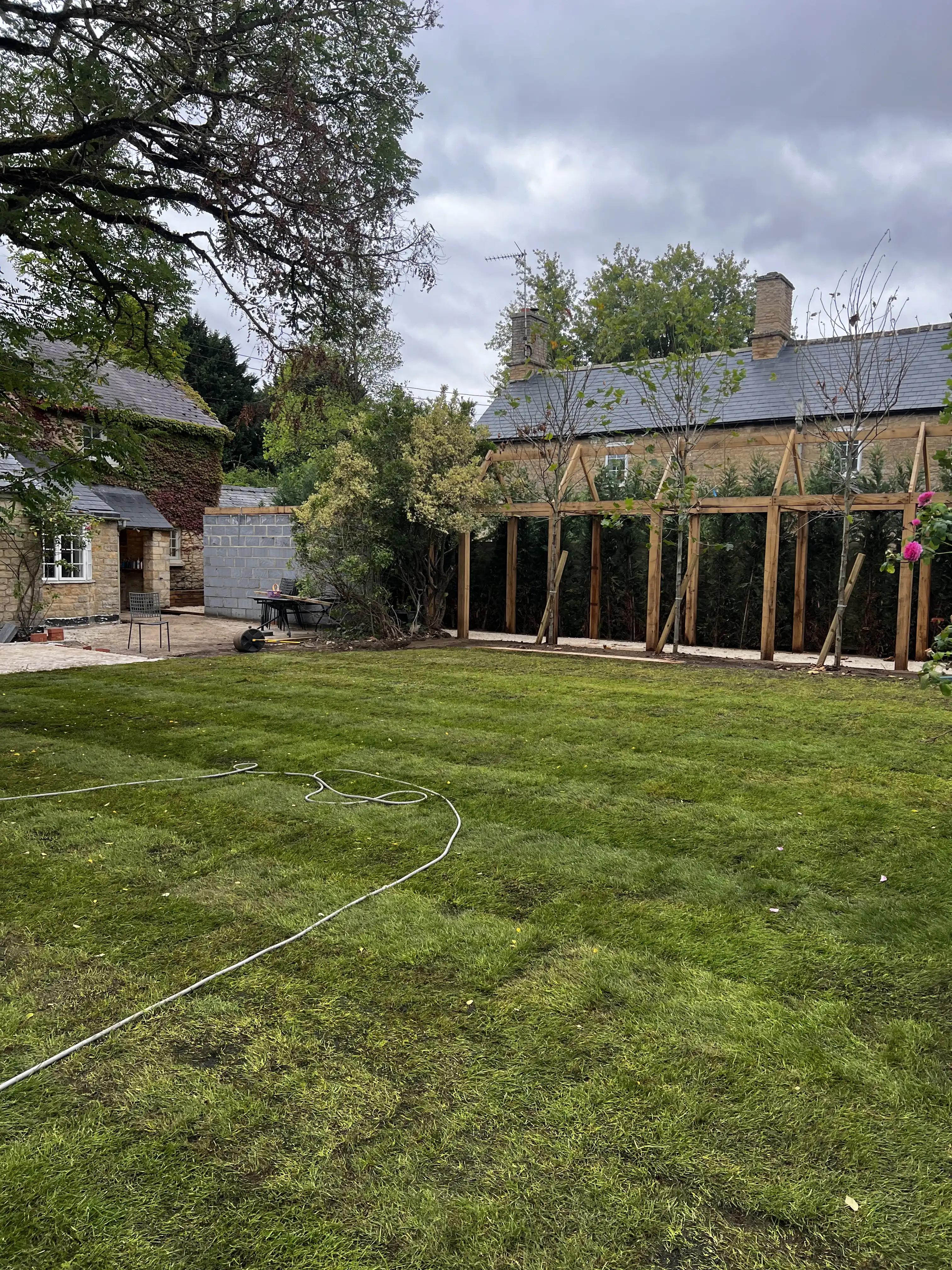
A four-month back garden renovation in Kingham with a 100m² limestone herringbone patio, recycled concrete sub-base, new lawn and London plane tree screening.

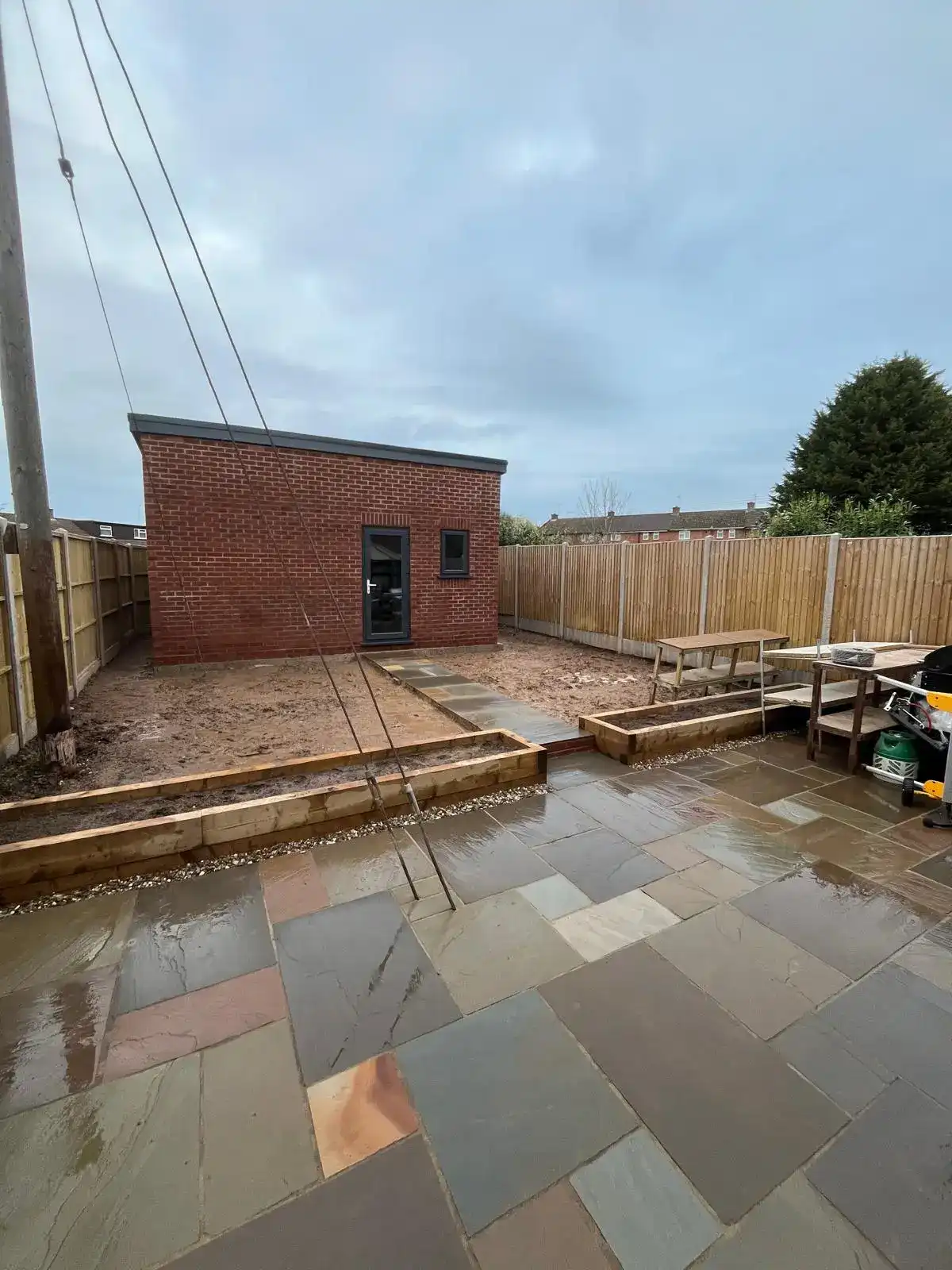
A three-month garden redesign in Bidford-on-Avon with a new soakaway, patios, paths and turf, plus a bespoke 8m x 6m brick-built golf simulator.
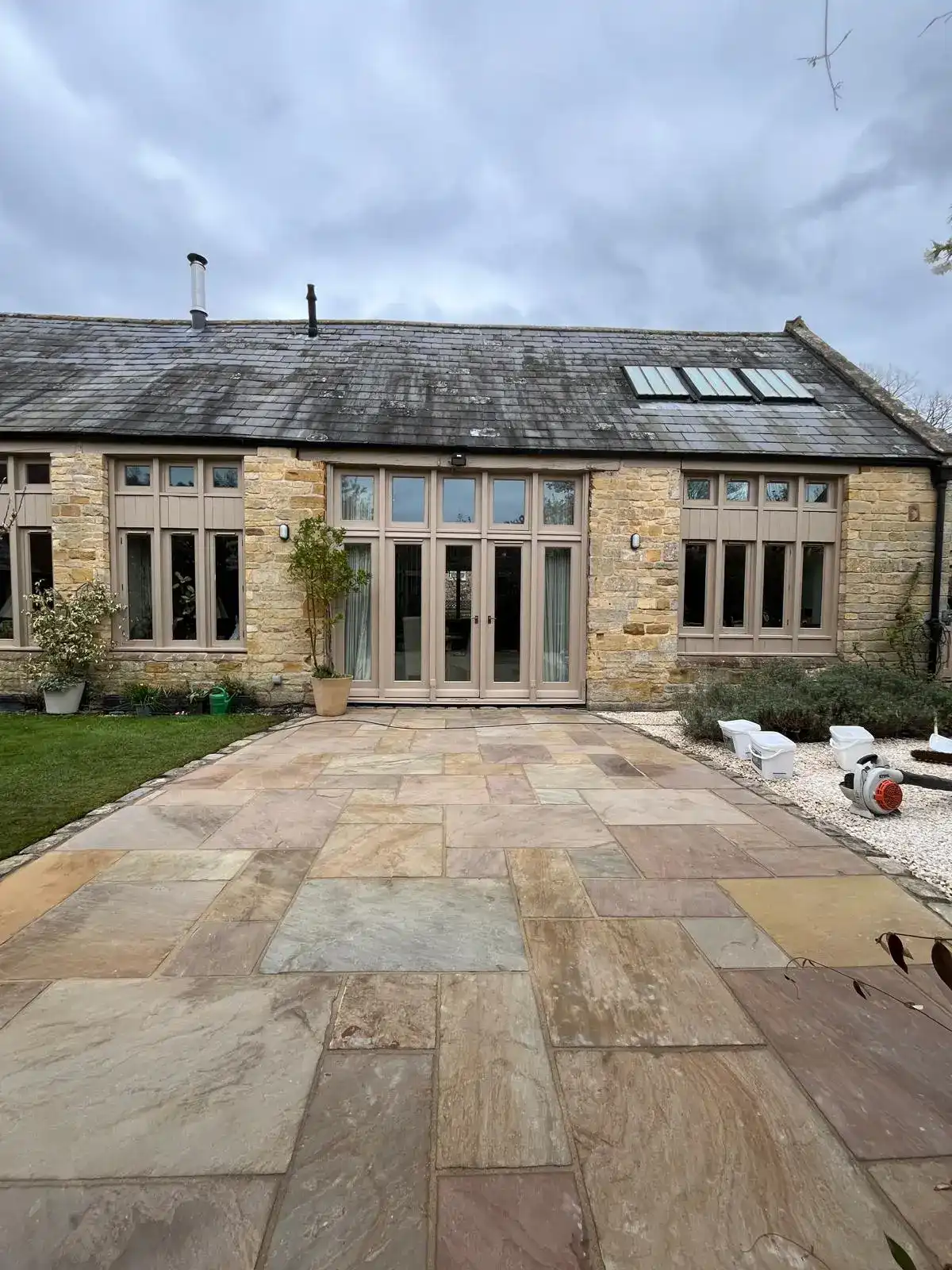
A two-week garden redesign in Moreton-in-Marsh with an Indian sandstone patio, mature yew privacy hedge, relaid lawn and gravel access paths.


We assess whether the cracking is surface-level or structural. If the sub-base has failed, we excavate, relay with correctly specified MOT Type 1 hardcore, and reinstate the surface to the correct specification. For resin driveways, we identify whether the cracking is in the resin layer or the concrete base beneath. Plex Group carries out driveway repairs and full installations across Worcestershire, Gloucestershire, Oxfordshire, and Warwickshire.

Cracks in a new driveway aren't cosmetic — they point to installation failures that will only get worse. Plex Group investigates and repairs driveways across Worcestershire, Gloucestershire, and Warwickshire, building surfaces designed to last.
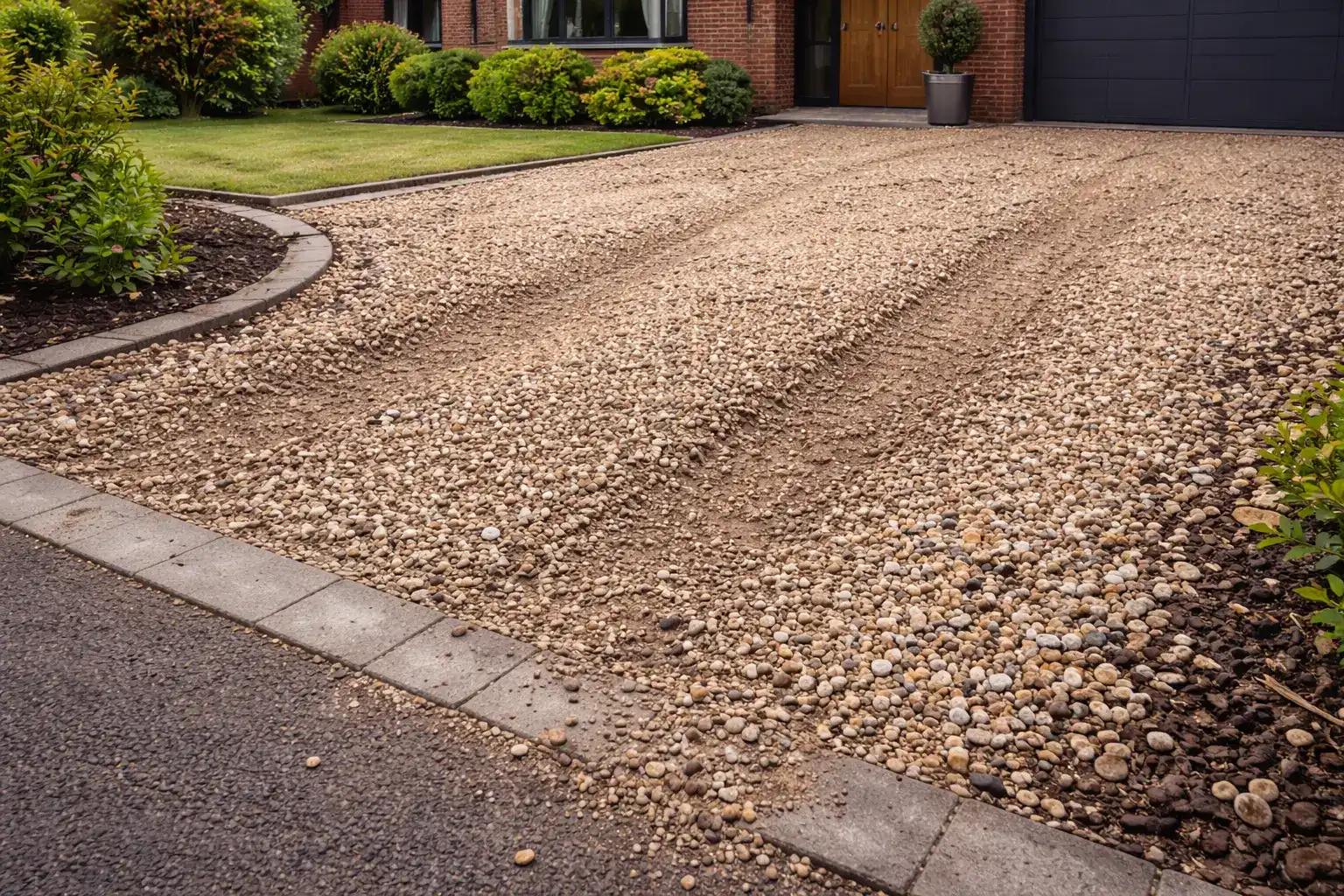
Loose stones on a resin driveway are ravelling, an installation failure rather than wear. Plex Group explains the causes and the repair across Worcestershire and Warwickshire.
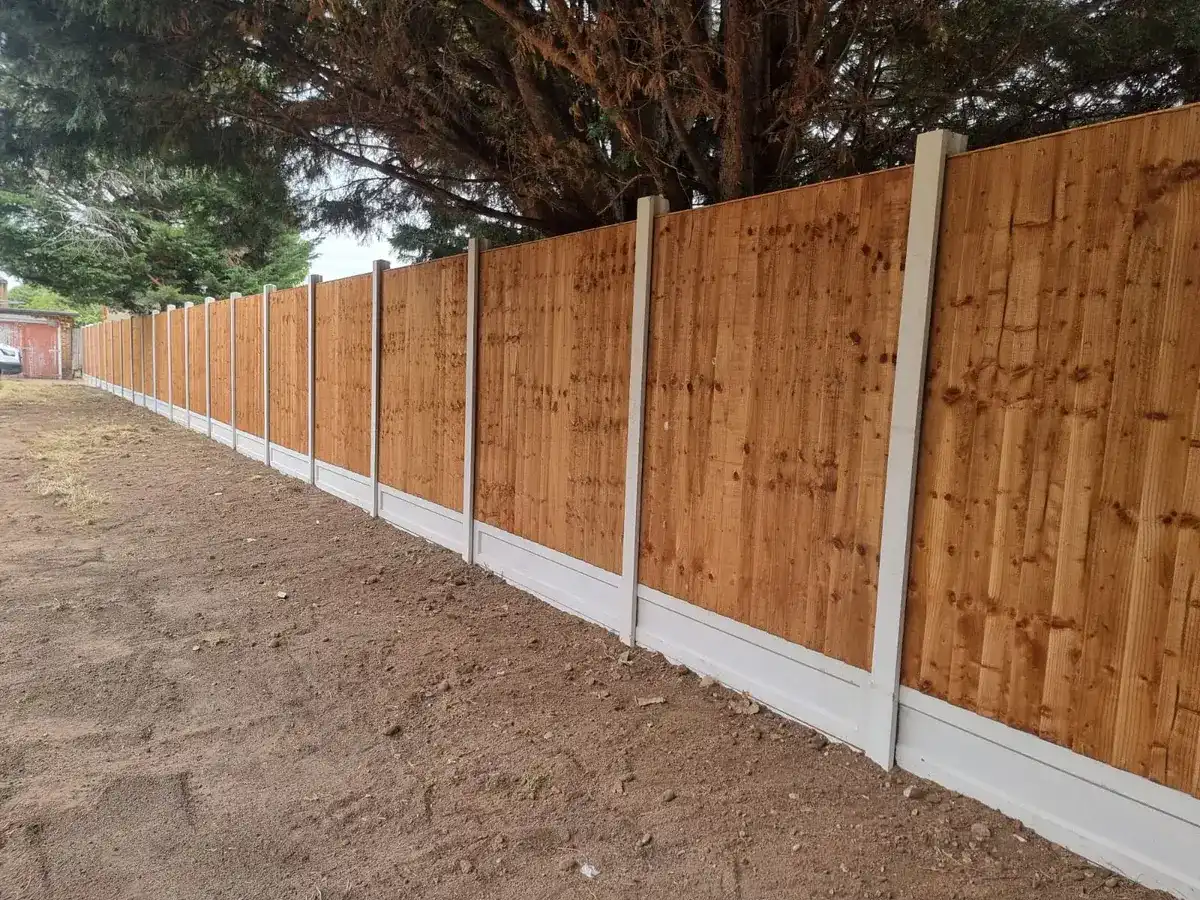
Fence panels blow out because solid panels catch wind, fixings are weak or the posts had already failed. Plex Group explains the causes and the proper fix across Worcestershire and Gloucestershire.
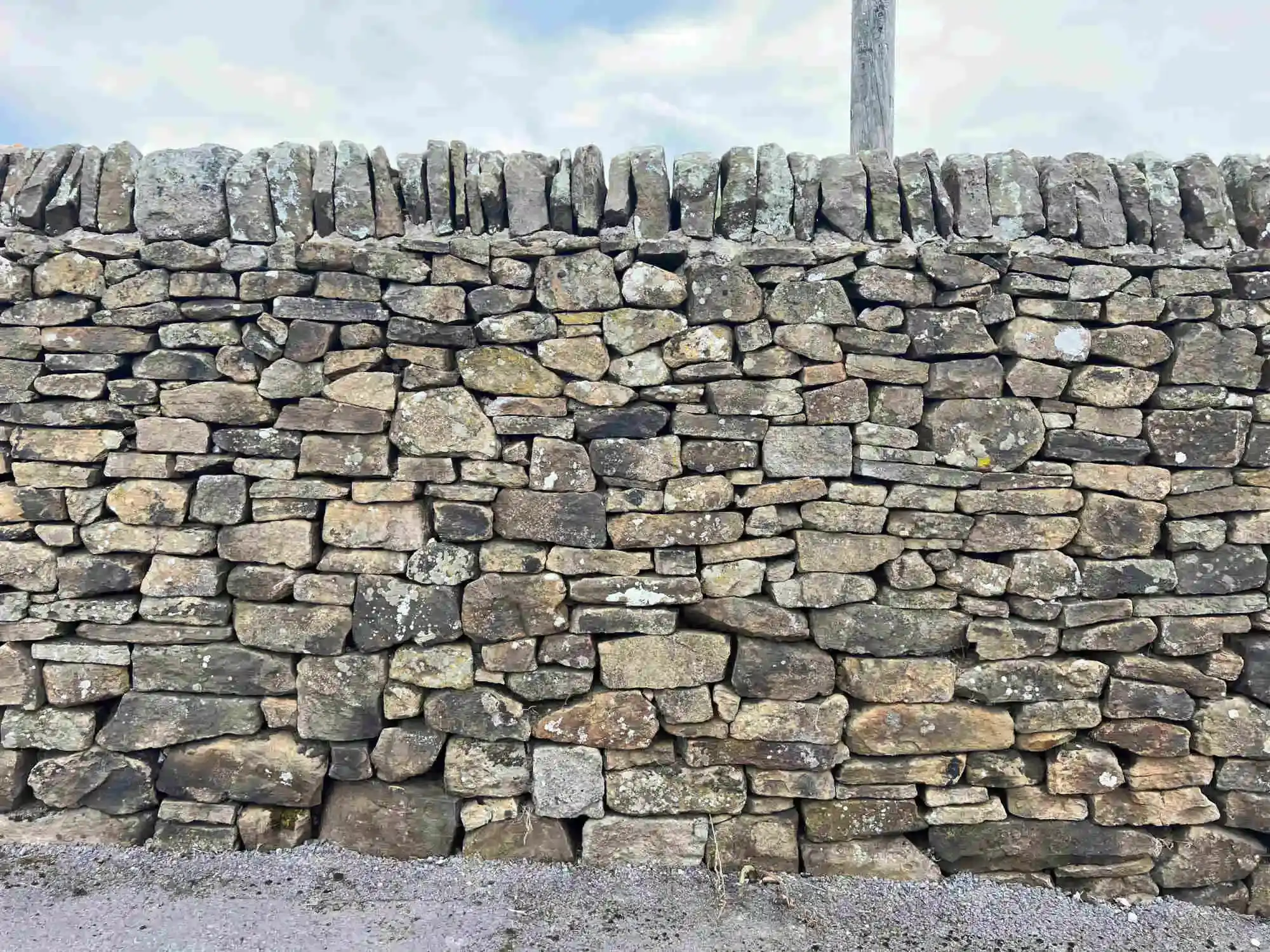
Cement stops a drystone wall moving and draining, traps water in soft limestone and turns small failures into large ones. Plex Group explains the right way to repair walls across the Cotswolds.

From the initial meeting to the final clear up Patrick and Luke were unfailingly polite and professional. Patrick’s quotation for the work was sensible with a detailed breakdown. The work was started on time and was kept to time. The resulting terracing exceeded expectations and the work area was left cleaner than when the team arrived. I cannot thank Patrick, Luke and Jake enough for all their work and would have no hesitation in recommending PLEX Group.

It has been a pleasure having Plex work with me on my garden project. Totally engaged, very communicative and prompt. Access to my property is difficult but they just worked around any problems with a refreshing 'can do' attitude. I would happily recommend Plex to anyone working on a garden project.
Fantastic work and would highly recommend. The team were professional, friendly, considerate, hard working and flexible to ensure the works met our needs and expectations. Really nice team to have on site and were respectful and kept it as tidy as they could. Very impressed with the work and looking to get them to come back to do a couple of other jobs for us in the future.
I am really happy with the work that Plex did. They came up with solutions to problems that arose quickly, efficiently and without any stress. They were friendly, professional, organised, efficient and had excellent communication.
We have recently had a new garage installed from the Plex team and we are thrilled with the finished product. Can't thank Patrick Luke and their team enough. Would highly recommend.
I would highly recommend Luke and Patrick and their team. They are all extremely polite and hard-working. They put up a new pergola in our back garden and tidied up the edges of the garden. An excellent job.
Patrick, Luke and their team have transformed our sloped garden giving us a lovley functional space. They removed a hedge sadly over run with brambles with a fence gaining us a couple more meters of garden too! Despite having a week of rain they did their best to clear up at the end of the job. We would highly recommend this professional team.
Luke and Patrick have completed two projects for us now. They are the most polite and professional people with a hardworking team of individuals. Nothing is too much trouble for them.
Luke and his team are really lovely and professional. Cannot recommend him enough.
Luke and the team are absolutely brilliant. A passion for what they do and personal but professional, so pleased to have found them!
Really pleased with the concrete base for my carport that was completed by the team , worked really hard in poor weather conditions . Great job would definitely recommend the team .
Our garden has never looked better - hard-working, thorough, and also great at getting in touch if there's a change to the schedule, etc. They have nursed our box hedging back to health. Before and and after photos are a bonus!
Competitive price wise even though the work carried out was to a very high standard. I was very pleased with the end result and impressed with the tidiness they left the garden after all the work was carried out. A very happy customer!
Very obliging and efficient we have worked out a schedule that suits us both.


